Avoiding Money Pit Vehicles
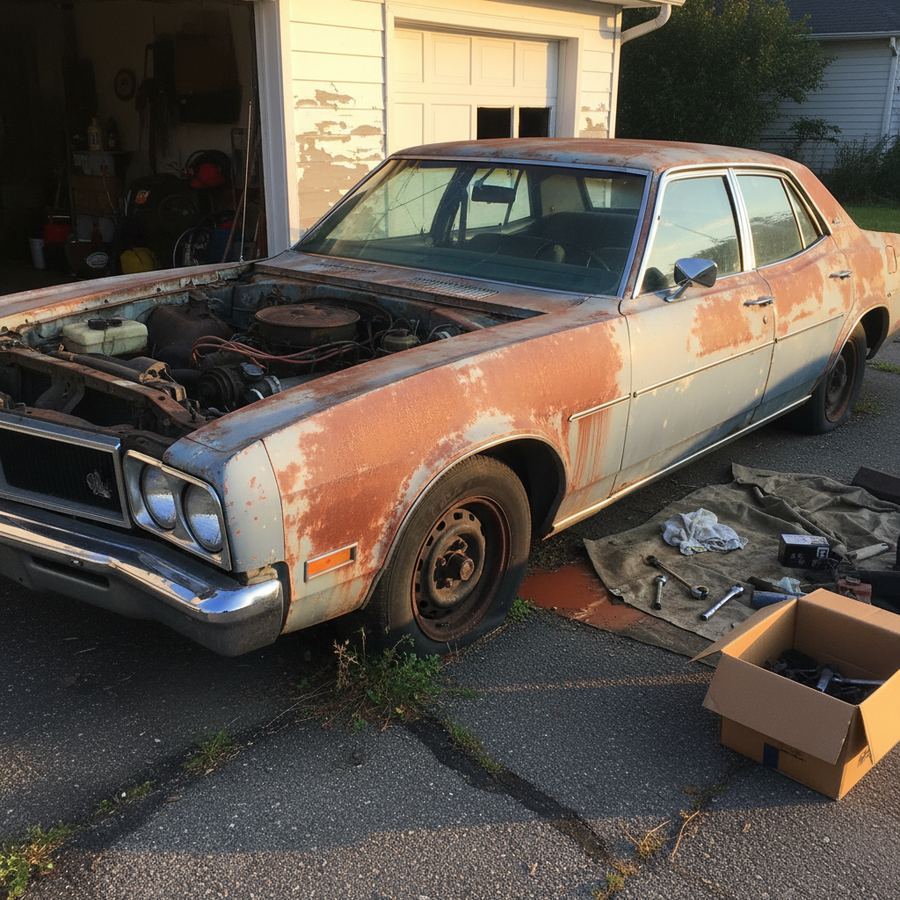
A money pit vehicle costs more to keep running than it's worth. You put $2,000 into it, then another $1,500 three months later, then $800 for something else. Suddenly you've spent more on repairs in a year than the car would sell for. Every repair feels like it should be the last one. It never is.
Some vehicles become money pits because of how they were treated. Others were destined for it from the factory. Knowing the difference before you buy saves real money.
European Luxury With Expired Warranties
Someone buys a five-year-old BMW, Mercedes, or Audi because it was $60,000 new and now it's $18,000. That price drop feels like a deal. It isn't. The market dropped the price because it knows what's coming.
European luxury vehicles are engineered to be excellent when new. The problem is that premium materials and advanced technology cost premium money to repair. An alternator on a Camry is $200. On a 5-Series it's $700. A water pump on a Civic is straightforward. On a German car with an internally mounted unit, it might require eight hours of labor.
The maintenance schedule is more demanding too: specific expensive oils, more frequent fluid changes, proprietary coolant. Electronics are more complex, so diagnostic time is longer and sensors cost more. None of this matters under warranty. All of it matters after.
If you want a European car and understand the costs, that's your call. But budget $3,000 to $5,000 annually for maintenance and repairs on an out-of-warranty European luxury vehicle. If that number surprises you, the car isn't for you.
Flood-Damaged Vehicles
Every major flood puts thousands of damaged vehicles back on the market. Some are honestly disclosed with salvage titles. Many are title-washed and sold as clean. You can check for title history before buying, but no database catches everything.
Flood damage is insidious. Electrical connectors corrode. Module boards short-circuit weeks later. Mold grows in places you can't reach. Bearings and seals deteriorate faster than normal. The car might seem fine when you buy it. Six months later, you're chasing electrical gremlins that no amount of money fully solves.
Warning signs: musty smell (especially in the trunk or under carpet), silt in places it shouldn't be (under seats, in the fuse box), unusually new carpeting, and fog inside light assemblies. A pre-purchase inspection should catch most of these.
Simple rule: if you suspect flood history, walk away. No price is low enough to justify the uncertainty.
Rust Belt Survivors
In northern climates with heavy road salt, rust kills otherwise solid vehicles. A car running perfectly at 150,000 km can be worth nothing if the frame or subframe is compromised.
Rust creates real safety problems. A rusted brake line is a complete brake failure. A corroded subframe mount can crack under stress. Fuel lines, brake hard lines, and suspension mounting points in the salt belt take damage that southern vehicles never experience.
Rust repair is either expensive or impossible. You can patch a fender spot cosmetically. You cannot cost-effectively fix a rotted frame on a mid-2000s truck. If you're buying a vehicle that lived in the salt belt, get it on a lift. Surface rust is normal. Structural rust where metal is flaking or paper-thin is a deal-breaker. A mechanic's honest assessment saves you from buying a vehicle that's two winters from being scrap.
Known Transmission Problems
Some vehicles have well-documented transmission issues confirmed by shop data, lawsuits, and technical service bulletins.
Certain Nissan CVTs from the early-to-mid 2010s are a classic example. The Jatco units in Sentras, Altimas, and Rogues had high failure rates. A CVT replacement runs $3,000 to $5,000. When the vehicle is worth $6,000, that repair effectively totals it.
Ford's dual-clutch PowerShift in the 2012-2016 Focus and Fiesta is another known problem. Shuddering, slipping, and premature failure generated massive lawsuits. These cars are cheap for a reason.
Before buying any used vehicle, spend fifteen minutes searching for known issues with that specific year and model. Forums, the common failures that shops track, and complaint databases will surface the patterns. If the transmission shows up repeatedly, think carefully.
High-Mileage Turbos on a Budget
Turbocharged engines need more frequent oil changes. Carbon buildup on direct-injection engines can require expensive cleaning. The turbocharger itself is a failure point costing $1,500 to $3,000 to replace.
A 100,000 km turbo four-cylinder that hasn't been meticulously maintained is higher risk than a naturally aspirated engine with the same mileage. If you need minimum ownership costs, naturally aspirated is the safer bet.
How to Avoid the Trap
The pattern is always the same: purchase price is low enough to seem reasonable, then ongoing costs wipe out savings within a year. The fix:
Research before you buy. Fifteen minutes of searching known problems can save thousands. Get a pre-purchase inspection from an independent shop. Be realistic about ownership costs for the class of vehicle you're buying.
Trust the market. If a vehicle that was $50,000 new is $12,000 at seven years old, the market is telling you something. The people selling at steep discounts aren't doing you a favor. They're passing along a problem. The best investment is a boring, reliable, well-maintained car you buy with a calculator instead of your eyes.