Vehicle Maintenance That Actually Matters
Most Maintenance Advice Is Written by People Trying to Sell You Something
Open any owner's manual and you'll find a maintenance schedule. That's fine. The problem is everything layered on top of it: the dealer "recommendations," the quick lube upsells, the forum posts from people who change their oil every 2,000 miles because their grandfather did.
Here's the reality. Modern vehicles are engineered with specific service intervals for a reason. Engineers tested those intervals. They aren't guessing. When someone tells you to do more than the manufacturer recommends, ask yourself who benefits from that advice.
That said, there are situations where the book is wrong. Severe driving conditions are real. Short trips in cold weather, heavy towing, dusty roads, constant stop-and-go traffic. If that sounds like your daily routine, the "severe" schedule in your manual exists for you. Most people skip right past it.
Where People Waste Money
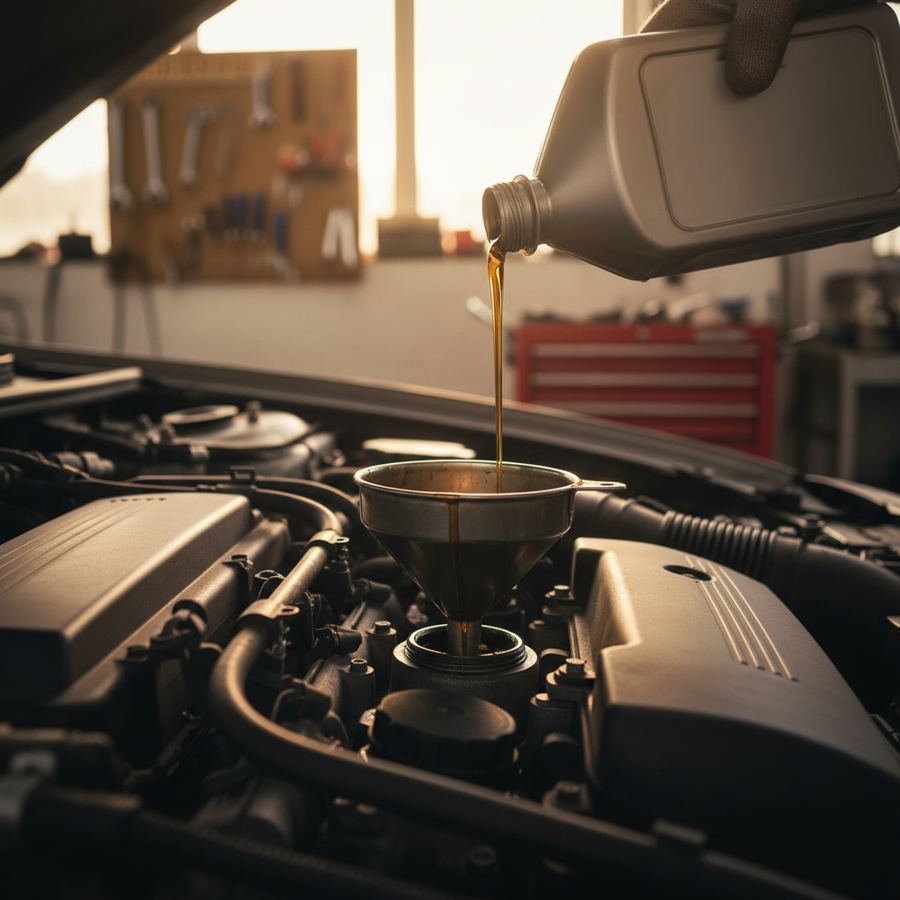
The biggest maintenance waste I see is frequency. People doing things too often because they're afraid of what happens if they don't. An oil change at 5,000 km on a car rated for 12,000 km isn't "being safe." It's throwing money away. Your engine doesn't know the difference.
The second biggest waste is unnecessary flushes. Transmission flushes, coolant flushes, brake fluid flushes, power steering flushes. Some of these matter at specific intervals. Most of them get pushed on you because they're high-margin services at the shop. Check your manual. If it doesn't mention a brake fluid flush every 30,000 km, you probably don't need one.
The flip side is neglecting the stuff that actually matters. Ignoring a cabin air filter for 80,000 km won't kill your car, but ignoring your engine air filter or your coolant level will cause problems. The cheap stuff matters more than the expensive stuff, most of the time.
What Actually Keeps a Car Reliable
If you want a vehicle that lasts, focus on the basics. Clean oil at the right intervals. Good coolant at the right concentration. Brakes inspected regularly, not just when they start grinding. Tires rotated and properly maintained. Belts and hoses checked visually once a year. That's it. That covers 90% of what keeps a daily driver on the road.
The other 10% is paying attention. Weird noises, warning lights, changes in how the car drives. Catching a small leak early costs $200. Ignoring it until the engine overheats costs $4,000. Maintenance isn't just scheduled services. It's noticing when something's off and dealing with it before it gets expensive.
If your car is older and you're trying to keep costs under control, maintenance is where you win or lose. A well-maintained 15-year-old car is more reliable than a neglected 5-year-old one. Every time.
Maintenance Articles
- Oil Change Intervals: What the Data Actually SaysForget the 5,000 km myth. Here's what your engine actually needs based on how you drive.
- When Maintenance Is OverkillHow to spot unnecessary upsells and services that exist to pad the invoice, not protect your car.
- Seasonal Vehicle Prep That Actually MattersWhat to check before winter and summer, and what you can skip despite what the internet says.
External Resources
For manufacturer-specific recall and safety information, check NHTSA's recall database. If you're buying a used vehicle and want to verify its service history, Carfax is one option, though it's not perfect. No database catches everything.
Bottom line: maintain your car based on evidence, not fear. Your wallet will thank you, and your car won't know the difference.