Tire Buying and Safety: A No-Nonsense Guide
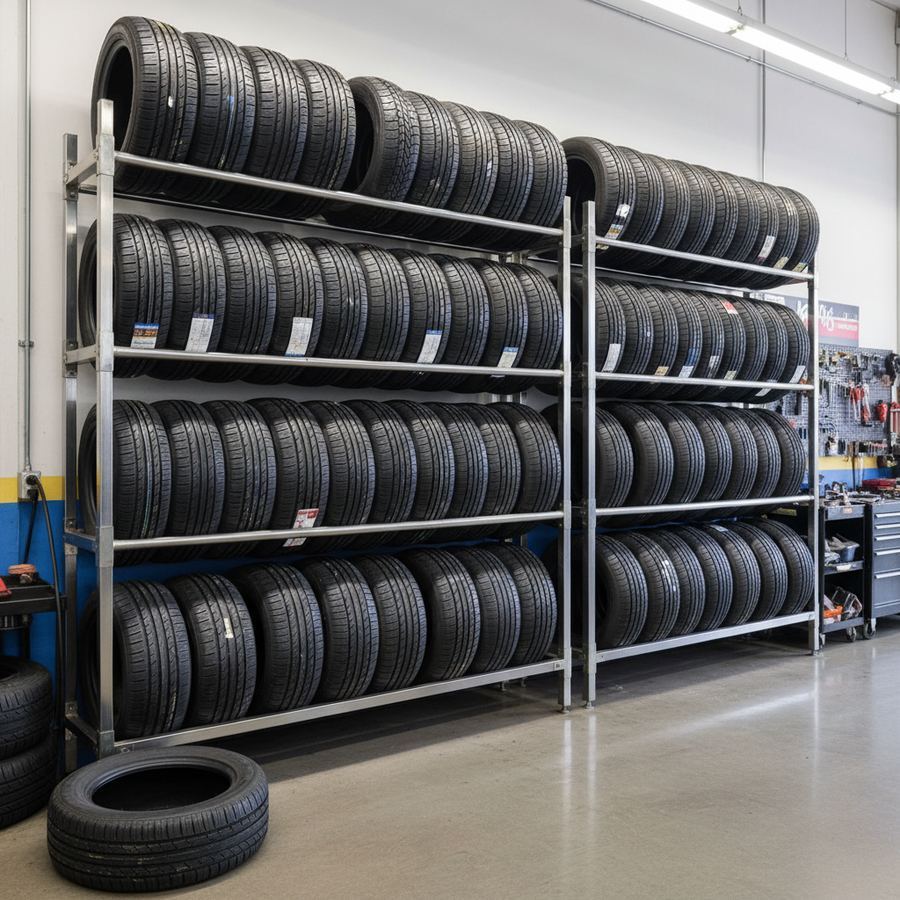
Tires Are the Most Ignored Safety Component on Your Car
People will spend $500 on a dashcam and drive around on 8-year-old tires with 2mm of tread left. Tires are the only thing connecting your car to the road. They affect braking distance, wet traction, handling, fuel economy, and ride comfort. And yet most people buy them based on price alone, put them on, and forget about them until one goes flat.
That approach works until it doesn't. And when it doesn't work, you're sliding through an intersection in the rain wondering what happened. Good tires aren't expensive. Bad tire decisions are.
The Budget Tire Trap
There's a difference between buying affordable tires and buying cheap tires. Affordable tires come from established brands with decent rubber compounds and proper testing. They're not the top-of-the-line option, but they perform adequately in all conditions and they wear at a predictable rate.
Cheap tires are the no-name brands selling for 40% less than anything comparable. They feel fine on dry pavement. They're terrifying in the rain. The rubber compounds are harder, they wear unevenly, and they'll start showing their age faster than a quality budget option. You'll replace them sooner, spend more on alignments chasing uneven wear, and have worse grip the entire time you own them.
Buy in the middle of the market. Read reviews from actual drivers, not sponsored content. A $120 tire that lasts 70,000 km and grips well in rain is a better purchase than a $70 tire that lasts 40,000 km and scares you on wet highways. The per-kilometre math always favours decent rubber.
Matching Tires Properly
Running mismatched tires is more common than it should be. Someone replaces one tire at a time, buys whatever's cheapest, and ends up with four different brands and tread depths on the same vehicle. On a front-wheel-drive car, this is sketchy. On an all-wheel-drive vehicle, it can damage the drivetrain.
At minimum, tires should be matched in pairs on the same axle. Same brand, same model, same size. Ideally, all four match. If your AWD system's manual says to keep all four tires within a certain tread depth difference, that's not a suggestion. Ignoring it leads to premature wear on the centre differential or transfer case, and that repair costs way more than a matching set of tires.
Tire Age: The Hidden Problem
Tread depth gets all the attention. Tire age gets almost none. Rubber degrades over time regardless of how much tread is left. A tire with 6mm of tread that's been sitting for 7 years is not a safe tire. The rubber has hardened. The compounds have broken down. It will grip worse than a newer tire with less tread.
Check the DOT code on the sidewall. The last four digits tell you the week and year of manufacture. A tire made in week 23 of 2019 reads "2319." Most manufacturers and safety organizations recommend replacing tires after 6 years regardless of condition, and absolutely by 10 years. This matters especially if you're buying used or takeoff tires, where age is easy to overlook.
When Used Tires Make Sense
Used tires get a bad reputation, and some of it is earned. But there are legitimate scenarios where they're the right call. If you're selling a car in a few months and need to pass a safety inspection, a set of used tires with 5mm of tread and a recent manufacture date is a reasonable choice. If you need a single replacement on a vehicle you're keeping short-term, same logic applies.
The key is inspection. Check tread depth across the full face of the tire, not just the centre. Check for sidewall damage, patches, and plugs. Check the age. And don't buy used tires for a vehicle you're planning to drive through winter. Winter traction depends heavily on rubber compound freshness, and used winter tires are almost always a false economy.
If you're trying to keep ownership costs low, tires are one area where spending a bit more upfront consistently saves money over time. Fewer replacements, better fuel economy, and no surprises in bad weather.
Tire Articles
- Budget Tire Buying MistakesThe common errors that cost you more in the long run, and how to buy affordable tires that actually perform.
- Matching Tires ProperlyWhy mismatched tires matter more than you think, especially on AWD vehicles, and how to do it right.
- Tire Age, Condition, and SafetyHow to read a DOT code, when age matters more than tread, and the signs a tire needs replacing.
- Used Tires: When They Make SenseThe limited situations where buying used tires is a smart move, and how to inspect them before buying.
- Winter vs All-Weather Tires in OntarioThe real difference between winter, all-weather, and all-season tires, and which ones actually work in Ontario.
- When to Replace Your TiresTread depth, age, damage, and uneven wear. How to know when it's time.
- What Actually Matters When Buying New TiresSize, load rating, treadwear grade, and the stuff that matters more than brand names.
- Best Tires for Ontario CommutersPractical recommendations by driving pattern: highway, city, rural, and mixed.
- Cheap Tires vs Good TiresThe real cost of cheap tires and when the math actually works in your favour.
Further Reading
For tire safety ratings and recall information, NHTSA's tire safety page has lookup tools and educational resources. If you're running winter tires in a province that requires them, check your provincial regulations since requirements vary on approved markings (the mountain snowflake symbol vs. the older M+S designation).
Good shops will give you straight advice on tires because there's not a huge margin in tire sales. If your shop is pushing the most expensive option hard, get a second opinion.