Common Failures Worth Fixing: Repairs That Keep Your Car on the Road
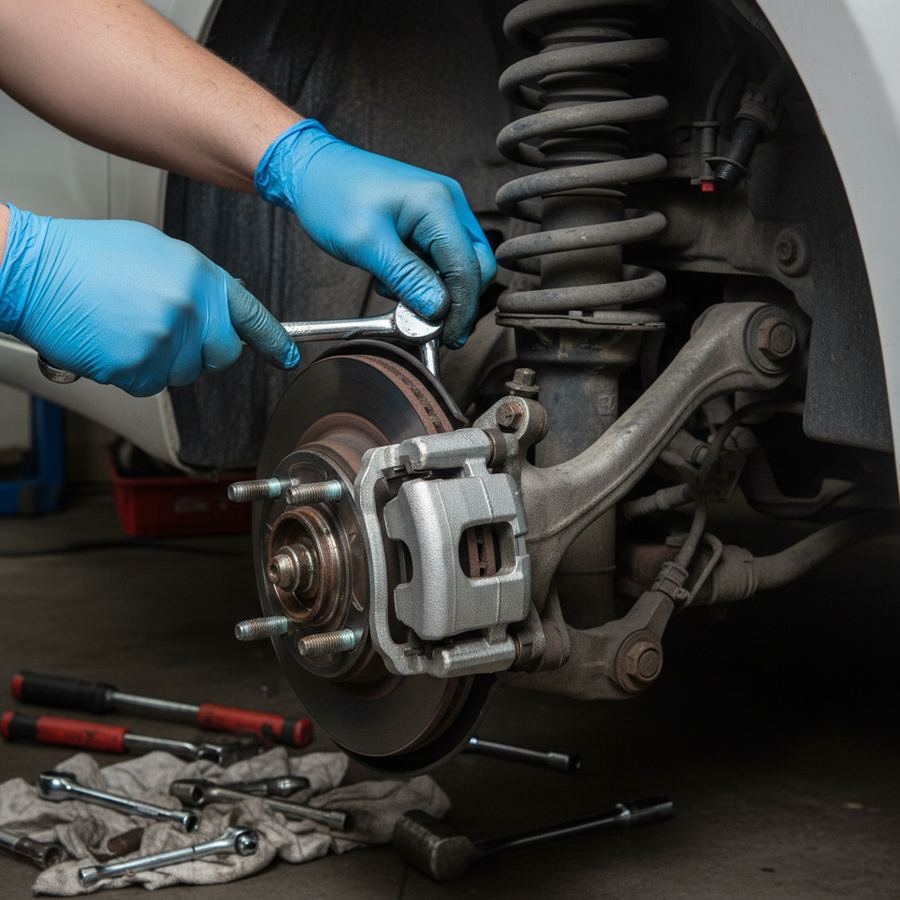
When something breaks on an older car, the first question is always whether it is worth fixing. For a surprisingly long list of common failures, the answer is almost always yes. These are the repairs that keep vehicles running for years past the point where people think they should be scrapped. The parts are reasonable, the labor is straightforward, and the result is a car that works.
Here are the failures that scare people into buying a new car when a repair would have been a fraction of the cost.
Wheel Bearings
A failing wheel bearing announces itself with a humming or growling noise that gets louder with speed. It often changes pitch when you turn one direction. People hear this and assume something catastrophic is happening. It is not. It is a wear item doing what wear items do.
A wheel bearing replacement on most vehicles costs $250 to $500 per side, depending on whether the bearing is pressed into the hub or comes as a complete hub assembly. Hub assemblies are more expensive but faster to replace, which can offset the parts cost with lower labor.
Ignoring a wheel bearing is a bad idea. Eventually it can seize or separate, which at highway speed is genuinely dangerous. But fixing one is straightforward. A new bearing is good for another 80,000 to 150,000 miles. Compare that to the cost of replacing the car.
Ball Joints
Ball joints connect the control arms to the steering knuckle. They carry the weight of the vehicle and allow the suspension to move while you steer. They wear out, especially on trucks and SUVs where the load is higher.
Symptoms include clunking over bumps, wandering steering, and uneven tire wear. A worn ball joint that separates can cause you to lose steering entirely. This is one of those safety items that should not be deferred.
Replacement cost ranges from $200 to $600 per side, depending on the vehicle and whether it is an upper or lower ball joint. On some vehicles, the ball joint is part of the control arm assembly, which costs more but is still well within "worth fixing" territory.
Ball joints are not a sign that the car is falling apart. They are a sign that the car has been driven. Every vehicle with ball joints will need them eventually. Fixing them and continuing to maintain the vehicle is almost always the right financial move.
Alternators
The alternator charges the battery and powers the electrical system while the engine runs. When it fails, you get dimming lights, a battery warning light, and eventually the car dies and will not restart. It tends to happen at the worst possible time.
A new or remanufactured alternator plus installation typically runs $350 to $600. Some vehicles with difficult access points can run higher. The job itself is usually 1 to 2 hours of labor.
A remanufactured alternator from a reputable supplier is perfectly fine and can save you $100 to $200 over new. These units are rebuilt with new bearings, brushes, voltage regulators, and diodes. They carry warranties and perform the same as new for practical purposes.
This is a textbook example of a repair that panics people into thinking their car is unreliable. It is a single component with a finite lifespan. Replacing it gets you back to normal. A quality used or remanufactured part brings the cost down even further.
Starters
The starter motor turns the engine over when you hit the key or push the button. When it fails, the car will not start. You might hear a click, a grinding noise, or nothing at all. People often replace the battery first, then realize the starter was the problem all along.
Starter replacement runs $300 to $600 on most vehicles. Like alternators, remanufactured units are widely available and work well. Access varies, and some vehicles bury the starter in locations that add labor time, but even on the expensive end, this is a repair that pays for itself quickly compared to the alternative.
A new starter is good for another 80,000 to 150,000 miles on most vehicles. If the rest of the car is sound, spending $500 on a starter is not even a question. Fix it and move on.
Brake Calipers
Brake calipers squeeze the pads against the rotors to stop the car. They can seize from corrosion, especially in salt-belt climates, causing uneven braking, pulling to one side, or excessive heat on one wheel. A stuck caliper will eat through a brake pad in weeks and can warp the rotor.
Caliper replacement runs $200 to $400 per caliper, including the caliper, new pads, and often a new rotor if the old one was damaged by the seized caliper. Remanufactured calipers are common and work fine. Having all four corners inspected during a brake job is smart, especially in areas with harsh winter conditions that accelerate caliper corrosion.
Some people hear "brake caliper replacement" and assume the whole brake system is shot. It is not. A caliper is a single component. The brake lines, master cylinder, and booster are likely all fine. Replace the caliper, put on fresh pads and rotors, and the brake system is back to full function.
Tie Rod Ends
Tie rods connect the steering rack to the steering knuckle and wear over time, causing loose steering and uneven tire wear. Replacement runs $150 to $350 per side, plus an $80 to $120 alignment. All in, $300 to $500 per side. After replacement, the steering feels tight and precise, and the tires wear evenly. Routine stuff.
Water Pumps
When a water pump fails, the engine overheats. Symptoms include coolant leaks near the front of the engine and a whining noise from the pump bearing. Replacement runs $400 to $800. On cars with timing belt-driven pumps, it is smart to do both together since they share the same labor, bringing the combined cost to $800 to $1,200.
A failed water pump left unfixed leads to overheating, head gasket failure, and engine damage. Fixing the pump when it starts leaking prevents all of that. It is one of the best examples of a repair that clearly beats replacement.
Why These Repairs Almost Always Win
Look at the cost range for all of these: $200 to $800 per repair. Even if you had to do two or three in the same year, the total is still less than the down payment on a used car, let alone the full purchase price. And each repair addresses a specific wear item with a known lifespan, giving you predictable reliability going forward.
The key is working with a shop that will be honest about the full picture. If the car needs a wheel bearing and the rest of the suspension is solid, fix the bearing. If the car needs a wheel bearing and the subframe is rusted through, that is a different conversation entirely, and one you should read about under repairs that are not worth doing.
Finding a Shop That Gives You the Full Picture
The value of these repairs depends on accurate diagnosis. You need a shop that will inspect the whole vehicle, not just quote the one thing you came in for. A shop like Auto Solve will look at the full condition of the car and tell you whether the repair makes sense in context. That kind of honest assessment is what keeps people driving reliable cars for years longer than they expected.
Every car reaches a point where parts wear out. That does not mean the car is done. These common failures are normal, expected, and affordable to fix. They are the reason older cars can stay on the road for 250,000 miles or more with the right approach to keeping costs under control.