Used Auto Parts: What to Buy, What to Avoid
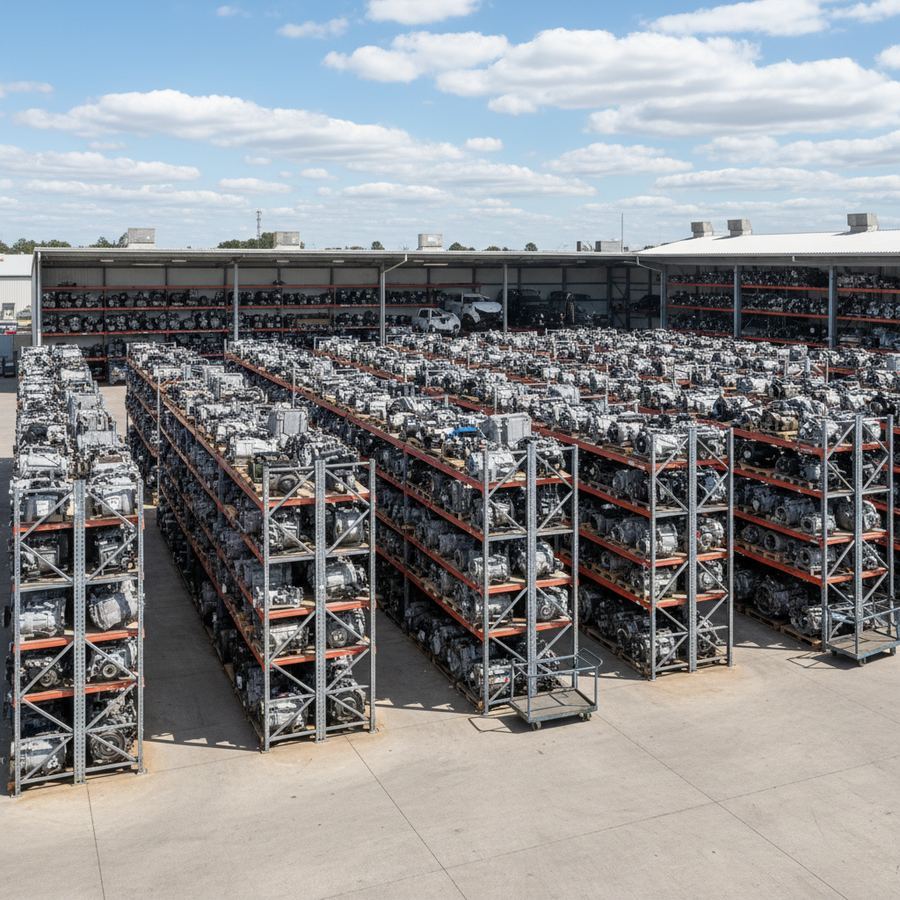
Used Parts Get a Bad Reputation They Don't Deserve
Walk into most shops and ask about used parts and you'll get a look. Some techs won't touch them. Some shops have policies against installing customer-supplied parts. And honestly, some of those policies exist for good reason. But the blanket dismissal of used and recycled auto parts ignores a basic truth: a part that worked fine for 60,000 km on one car will probably work fine on yours.
The key is knowing which parts hold up as used components and which ones are a gamble. A door mirror from a salvage yard? Perfect. A used water pump? That's asking for trouble. The distinction usually comes down to whether the part has wear surfaces, seals, or moving components that degrade over time.
The Three Categories: OEM Used, Aftermarket New, OEM New
When you need a part, you generally have three choices. OEM new is the exact same part the car came with, at dealer pricing. It's the most expensive option and sometimes the only correct one. Aftermarket new is a part made by a third-party manufacturer to fit your car. Quality ranges from excellent to garbage depending on the brand and the component. OEM used is the original part pulled from another vehicle. Same quality as what's on your car, fraction of the price, but with unknown remaining life.
Most people default to aftermarket new because it's the middle ground. That's fine for some things. Brake pads, filters, belts, sensors. For body panels, glass, interior trim, and electronic modules, OEM used is almost always the better call. An aftermarket fender that doesn't quite fit right costs you more in body shop labour than you saved on the part. A used OEM fender bolts on like it was made for the car, because it was.
What's Safe to Buy Used
Body panels, doors, glass, mirrors, interior components, wheels, alternators (from a reputable rebuilder), starters, electronic modules, seats, headlight assemblies, tail lights, trim pieces, and most suspension components like knuckles and subframes. These parts either don't wear out in a meaningful way or can be inspected visually before installation.
If you're keeping repair costs reasonable on an older vehicle, used parts are one of your best tools. A used transmission from a lower-mileage donor car can save you thousands compared to a rebuild or new unit. Just make sure you're buying from a yard that offers some kind of warranty, even if it's only 30 to 90 days.
What You Should Buy New
Anything with a gasket, seal, or wear surface. Water pumps, thermostats, brake rotors, brake pads, wheel bearings, timing components, hoses, and belts. These parts have a finite service life and you can't inspect them well enough to know how much is left. The cost difference between used and new on these items is small enough that buying new is just the smart play.
Same goes for safety-critical components where failure means loss of vehicle control. Tie rod ends, ball joints, and brake calipers should be new or professionally remanufactured. Saving $40 on a used tie rod end is not a good trade for the risk. Tires fall into a similar category where condition matters more than price.
Working with Shops on Used Parts
Some shops will source used parts for you. Some will install parts you bring in. Some won't do either. Before you show up with a trunk full of salvage yard finds, call ahead. Most shops that install customer-supplied parts won't warranty the labour if the part fails, and that's fair. They didn't choose it.
The better approach is to find a shop that works with recycled parts as part of their normal process. These shops have relationships with local yards and parts networks. They know which sources are reliable and which ones send junk. They'll handle the sourcing, and if the part is defective, the warranty covers both parts and labour because it was their call.
If you're managing ownership costs on a budget, used parts aren't a compromise. They're a strategy. You just need to know which parts to apply it to.
Used Parts Articles
- OEM Used vs. Aftermarket: Which Saves You MoreA realistic comparison of part quality, fitment, and total cost across the three main sourcing options.
- Parts That Are Safe to Buy UsedThe full list of components that hold up fine from a salvage yard, and how to inspect them.
- Parts You Should Always Buy NewWhere cutting corners on parts will cost you more in the long run.
- How Shops Handle Used Parts RequestsWhat to expect when you ask a repair shop to install recycled or customer-supplied components.
Finding Reliable Sources
Local salvage yards with searchable inventory are your best starting point. Many are networked through databases that let them locate parts across the province or country. Online marketplaces for used parts exist too, but shipping costs and return hassles can eat into the savings. For checking a vehicle's history before buying a major used component like a transmission, Carfax can tell you if the donor vehicle had reported damage that might affect the part. For safety recalls on specific components, NHTSA's recall lookup is worth a quick check.