The Cheapest Way to Keep a Car Running
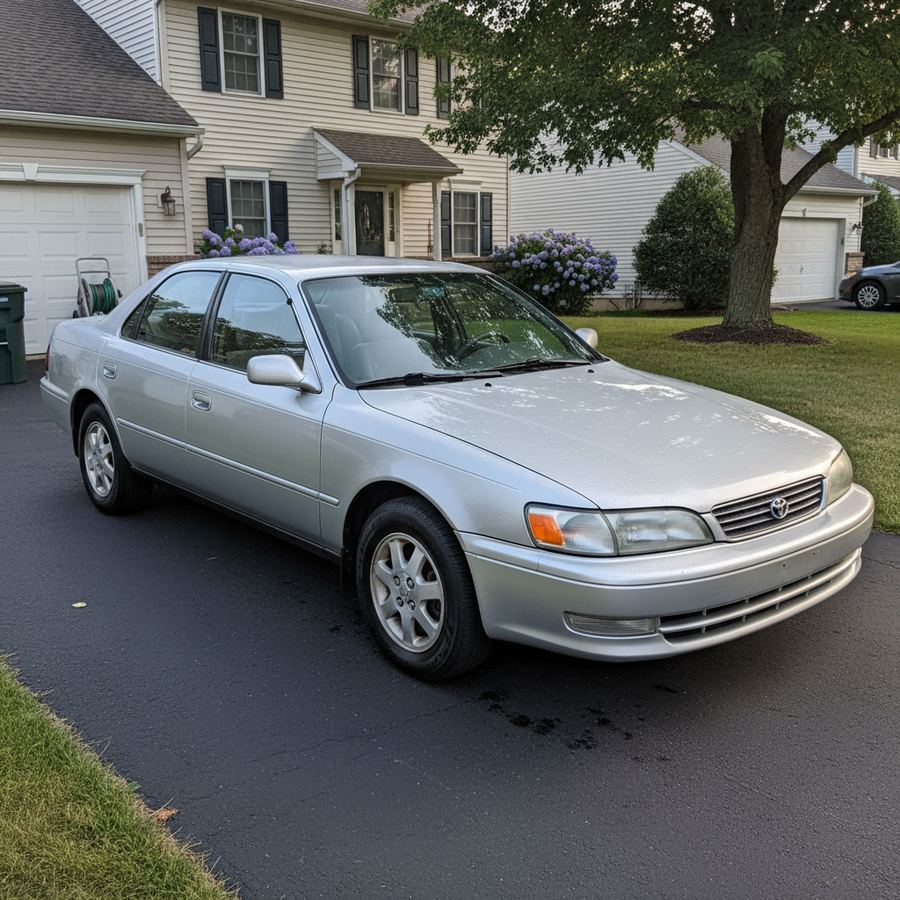
The cheapest car to own is the one you already have. Every time you buy a different vehicle, you pay sales tax, registration, insurance adjustments, and the invisible cost of learning a new car's quirks. Keeping your current vehicle running is almost always cheaper than replacing it, right up until the point where it isn't.
But this isn't just about squeezing another year out of a tired car. It's a complete approach that minimizes cost at every stage: buying, maintaining, repairing, and eventually letting go.
Start With the Right Vehicle
If you're currently shopping, the purchase decision is the single biggest factor in long-term ownership costs.
Buy a vehicle with a reputation for reliability and cheap parts. Toyota Corollas, Honda Civics, Camrys, CR-Vs, Mazda3s. These aren't exciting recommendations. They're boring, and that's the point. Boring cars have cheap, plentiful parts. Every shop knows how to work on them. Common failures are well documented and rarely catastrophic.
Buy with maintenance records if possible. A car with service receipts from the same shop tells you someone cared. Have it inspected before you buy. Spend $150 on a pre-purchase inspection at an independent shop. They'll check brakes, look for leaks, scan for codes, and tell you what's coming. That inspection has saved people from buying cars hiding $3,000 in problems more times than I can count.
Avoid complexity you don't need. Turbo engines cost more than naturally aspirated. AWD costs more than FWD. Air suspension, panoramic sunroofs, and advanced driver-assist systems all add repair costs. For lowest ownership cost, choose the simplest version of a reliable platform. The NHTSA recall database is worth checking before any purchase to see what issues a model has had.
Maintain Correctly, Not Excessively
Follow the manufacturer's maintenance schedule. Not the dealer's upsell menu, not the quick lube's recommendation, not the internet forum's paranoid advice. The manufacturer's schedule, from your owner's manual. Engineers designed those intervals based on testing.
If you drive in severe conditions (short trips, extreme temperatures, dusty roads, heavy towing), follow the severe schedule. That's also in the manual. A 15-minute commute in cold weather where the engine never fully warms up counts as severe driving.
The maintenance items that actually matter are oil changes at the right interval, coolant at the right concentration, transmission fluid when the schedule calls for it, and brake inspections at every tire rotation. That's the core.
Don't pay for unnecessary flushes. Don't change oil at half the interval. Don't let a shop sell you a fuel system cleaning on a five-year-old car. When maintenance becomes overkill, you're spending money to feel responsible rather than to keep the car running.
Build a Repair Fund
Cars break. All of them. A well-maintained car breaks less often, but it still breaks. Without money set aside, every breakdown becomes a crisis that pushes you toward bad decisions: credit cards, skipping necessary work, or panic-buying a replacement vehicle.
Set aside $100 to $200 per month in a dedicated car repair fund. The goal is $1,500 to $3,000 available at any time. That covers most single repairs without touching other savings. When the fund goes unused, it grows. After two years of driving a reliable car, you might have $4,000 sitting there. That's your buffer for a transmission repair or head gasket without panic.
Know Your Mechanic
A trustworthy independent mechanic is the most valuable relationship in budget car ownership. Not a chain shop, not a quick lube. An independent shop with a reputation you've verified.
A mechanic who knows your car and budget will prioritize differently than one seeing you for the first time. They'll say "this can wait three months" or "let's use a quality used part to save you $200." They won't recommend a repair costing more than the car is worth without a real conversation.
Start with a small job. See how they communicate. Did they give you a clear estimate? Did the final bill match? A shop that passes those tests has earned a shot at bigger work. Once you find a good one, stay.
Fix the Right Things
Not every repair is worth doing. Safety items are always worth fixing: brakes, tires, steering, suspension. Non-negotiable. Reliability items are usually worth fixing: a failing alternator or leaking water pump will strand you, and roadside repairs always cost more than planned ones.
Comfort and cosmetic items are where you make choices. A $1,200 AC repair on a $4,000 car might be worth it if you live somewhere hot and plan to keep the car three more years. Maybe not in a mild climate. The repair-vs-replace calculation gets real when a major repair exceeds 50% of the vehicle's value.
The Long Game
Minimum-cost ownership is a long game. Buy boring and reliable. Maintain by the book. Set money aside monthly. Find a mechanic you trust. Fix what matters, skip what doesn't.
People who do this consistently spend $2,000 to $4,000 per year on total vehicle ownership including fuel, insurance, maintenance, and repairs. People who buy emotionally and skip maintenance spend two or three times that much on worse cars. The cheapest car isn't the one with the lowest sticker price. It's the one you bought deliberately, maintained sensibly, and kept running with realistic expectations.