Car Repairs: When to Fix It and When to Walk Away
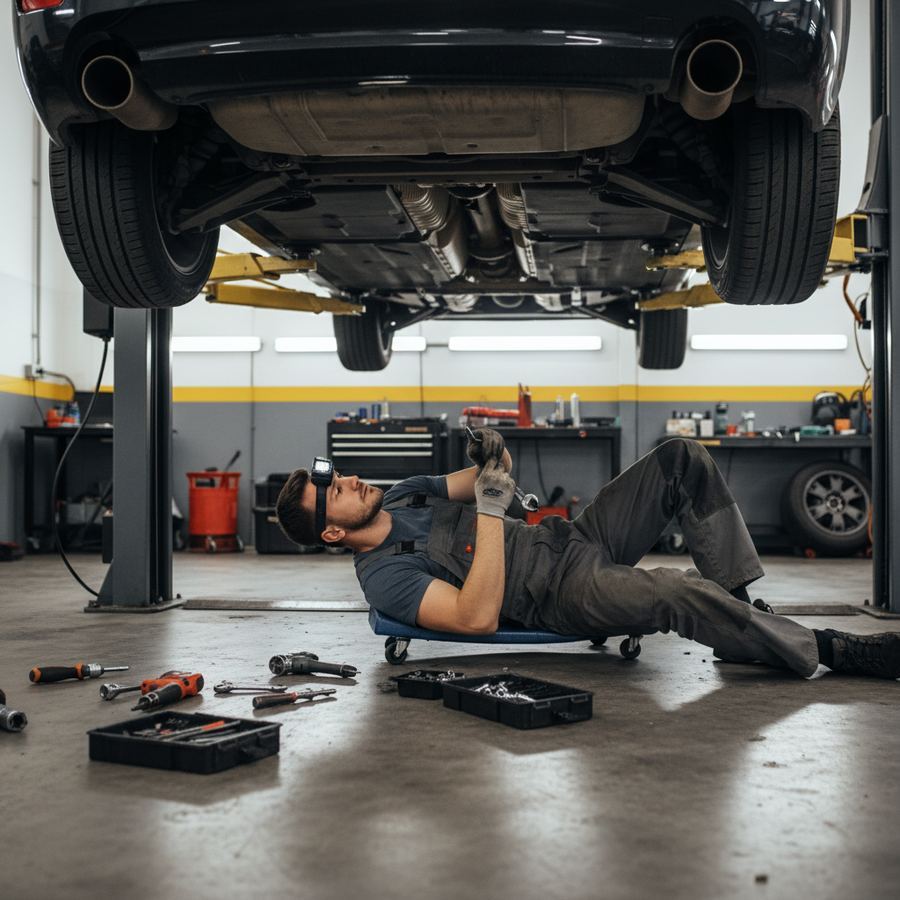
Repairs Are Where Most People Lose Money on Cars
Not because repairs are expensive. They can be, sure. But the real money pit is making the wrong call about which repairs to do, when to do them, and whether the car is worth fixing at all. That decision gets made on gut feeling way too often, and gut feeling is expensive.
I've watched people sink $3,000 into a car worth $2,500 because they "already started." Sunk cost fallacy hits hard when it's your daily driver. I've also watched people junk a car over a $600 repair because someone told them "it's not worth it." Both are bad calls. The math isn't complicated, but you have to actually do it.
The Repair vs. Replace Decision
Here's the question most people ask wrong: "Is this repair worth it?" That's incomplete. The real question is: "Is this repair cheaper than what I'd spend switching to a different vehicle?" When you factor in sales tax, registration, potentially higher insurance, and the loan interest on a newer car, that $1,500 repair on your paid-off sedan starts looking pretty reasonable.
The exception is when repairs start stacking. One big repair is usually worth doing. But if you're looking at a head gasket this month, a transmission next month, and the AC compressor after that, it's time to have an honest conversation about whether this car is done. There's a point where you're just funding a rolling restoration project and calling it "transportation."
Common Failures That People Overthink
Some repairs sound scary but are straightforward and relatively cheap. Wheel bearings, oxygen sensors, control arms, ignition coils. These are normal wear items. They fail eventually on every car. They don't mean your vehicle is falling apart. They mean your vehicle has kilometres on it.
The repairs to actually worry about are the structural and systemic ones. Rust in the subframe. Transmission shudder that's getting worse. Coolant mixing with oil. These are the problems that signal the beginning of the end, and throwing parts at them usually just delays the inevitable.
Keeping an Older Car on the Road
If you're driving something with 200,000+ km and want to keep it going, the strategy is simple: stay ahead of the stuff that strands you, and accept the stuff that doesn't. A worn interior trim piece doesn't matter. A marginal battery in November does.
Focus on the systems that leave you on the side of the road: cooling system, fuel delivery, charging system, tires, and brakes. Keep those solid and you can daily-drive an older car for years. Ignore them and you're calling a tow truck. There's a whole approach to managing what older cars cost that most people never think about until they're already behind.
The best repair is the one you saw coming. Regular inspections, even informal ones, pay for themselves many times over. Ask your shop to flag developing issues, not just current failures. A good technician will tell you what's going to need attention in the next 6 to 12 months so you can budget for it instead of getting blindsided.
Repair Articles
- Repair vs. Replace: How to Do the MathA realistic framework for deciding whether to fix your current car or start shopping for another one.
- Common Failures That Are Worth FixingThe "scary" repairs that sound expensive but are actually normal wear and totally manageable.
- Repairs That Aren't Worth DoingWhen the fix costs more than the outcome is worth, and how to spot that situation before you commit.
- Keeping an Older Car ReliableThe strategy for daily-driving a high-mileage vehicle without constant surprises.
Know What You're Getting Into
Before approving any major repair, get it in writing. A clear estimate with parts and labour broken out. If the shop can't explain what's wrong in plain language, that's a red flag. Good techs explain things clearly because they understand them clearly. For safety-related repairs, you can cross-reference known issues at NHTSA's complaint database to see if other owners are reporting the same problem on your vehicle.