Real Ownership Costs: What Cars Actually Cost to Keep Running
Nobody Talks About the Real Cost of Owning a Car
The sticker price is the number everyone focuses on. Monthly payment, maybe insurance. But the real cost of keeping a vehicle on the road is maintenance, repairs, tires, registration, and the slow bleed of depreciation if you bought something newer. Add it all up and most people are spending significantly more per year on their car than they think.
This isn't a scare tactic. Cars cost money. That's reality. But the difference between spending that money wisely and throwing it away comes down to decisions. Which car you buy, how you maintain it, when you repair it, and when you finally let it go. Get those decisions right and you can spend half of what the average person does on transportation. Get them wrong and you're in a financial hole that gets deeper every month.
The Cheapest Car Is Usually the One You Already Own
If your current car is paid off, running reasonably well, and not actively rusting apart, the math almost always favours keeping it. Even with a $2,000 repair year, you're still ahead of a $400/month car payment plus higher insurance and registration. People drastically overestimate what their current car costs and underestimate what a replacement will cost.
The breakeven point changes when repairs start exceeding the cost of a monthly payment on a reliable replacement, or when the car becomes so unreliable that it's affecting your ability to get to work. But that's a higher bar than most people think. A car that needs a $1,200 repair once or twice a year is still cheaper than a new car. It's just less predictable, and that unpredictability is what drives people to dealerships.
If you're going to keep an older car long-term, the real strategy is budgeting for repairs ahead of time. Set aside $150 to $200 a month. When something breaks, the money is there. When nothing breaks, the fund grows. After a year or two, you have a cushion that takes the stress out of unexpected repairs entirely.
Avoiding the Money Pit
Some cars are cheap to buy and expensive to own. European luxury vehicles after the warranty expires are the classic example. That $8,000 BMW looks like a deal until you need a water pump, a valve cover gasket, and a control arm kit, and the parts bill alone is $1,500 before labour. The purchase price was low because the previous owner did the same math and bailed.
Before buying any used vehicle, research the common failures for that specific year and model. Forums, owner groups, and repair databases will tell you exactly what breaks and what it costs. A car with a known $3,000 timing chain issue at 120,000 km is a bad buy at 115,000 km unless the price reflects that. A car with nothing major on the failure list is worth paying a bit more for.
Parts availability matters too. Common domestic and Japanese vehicles have cheap, widely available parts from multiple manufacturers. That means lower parts costs and more shops willing to work on them. Rare or discontinued vehicles, or anything with proprietary systems that only the dealer can service, will cost more to maintain by default.
The Real Per-Kilometre Cost
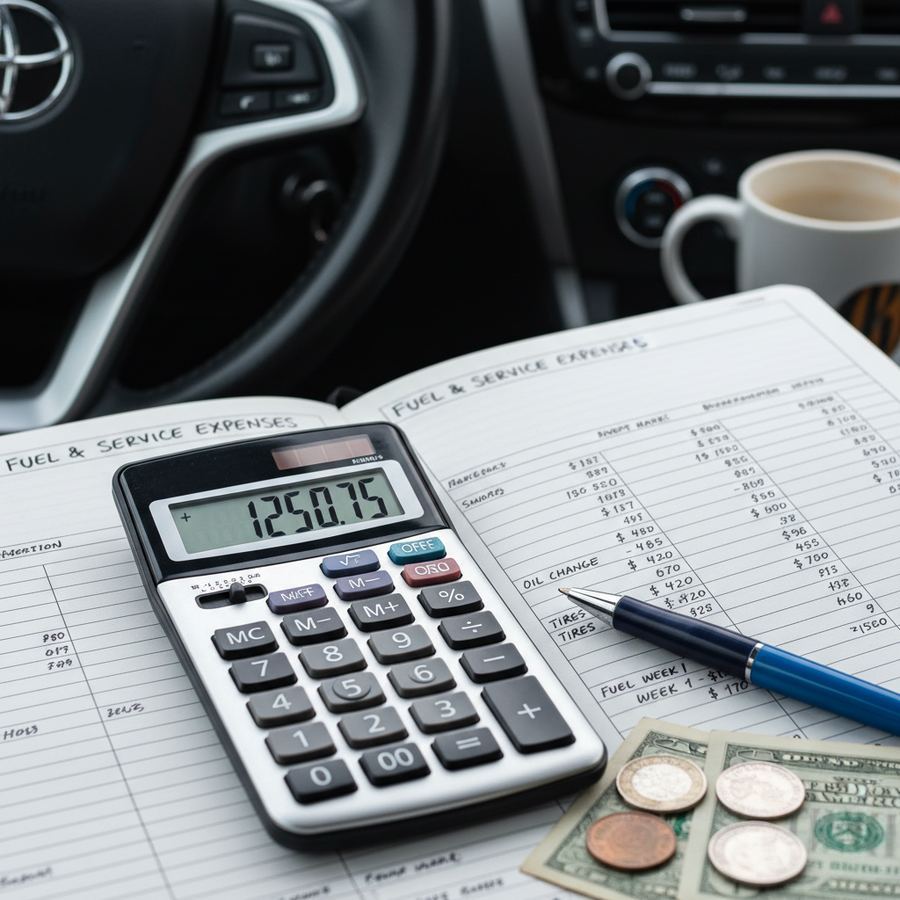
If you want to know what your car actually costs, track everything for a year. Every oil change, every tire, every repair, every tank of fuel, insurance, registration. Divide the total by kilometres driven. That's your real cost per kilometre. For most people driving a paid-off vehicle and doing reasonable maintenance, it's somewhere between $0.25 and $0.45 per km all-in. For someone with a car payment on a newer vehicle, it's often $0.55 to $0.80 per km or more.
Knowing that number changes how you think about every automotive decision. Is it worth driving across town to save $5 on an oil change? Probably not. Is it worth spending $2,500 to keep a paid-off car running for another two years and 40,000 km? That's $0.06/km for the repair alone, which is a bargain compared to replacing the car.
Ownership Cost Articles
- The Cheapest Way to Keep Your Car RunningA practical strategy for minimizing what you spend on transportation without sacrificing reliability.
- Avoiding Money Pit VehiclesHow to spot the used cars that look like deals but will drain your bank account within a year.
- Repair Budgeting BasicsSetting up a repair fund that takes the panic out of unexpected breakdowns and big service bills.
Resources for the Numbers
If you're comparing ownership costs between vehicles, NHTSA can show you recall history, which is a rough proxy for how many known problems a model has. For Canadian buyers, Carfax Canada can reveal service history and accident reports that affect long-term reliability and resale value.
The goal isn't to spend nothing on your car. That's how you end up stranded. The goal is to spend wisely, plan ahead, and make decisions based on actual costs instead of feelings. Your car is a tool. Treat the budget like you'd treat any other tool: maintain it, use it properly, and replace it only when it's truly done.