Cheap Tires vs Good Tires: The Real Cost Difference
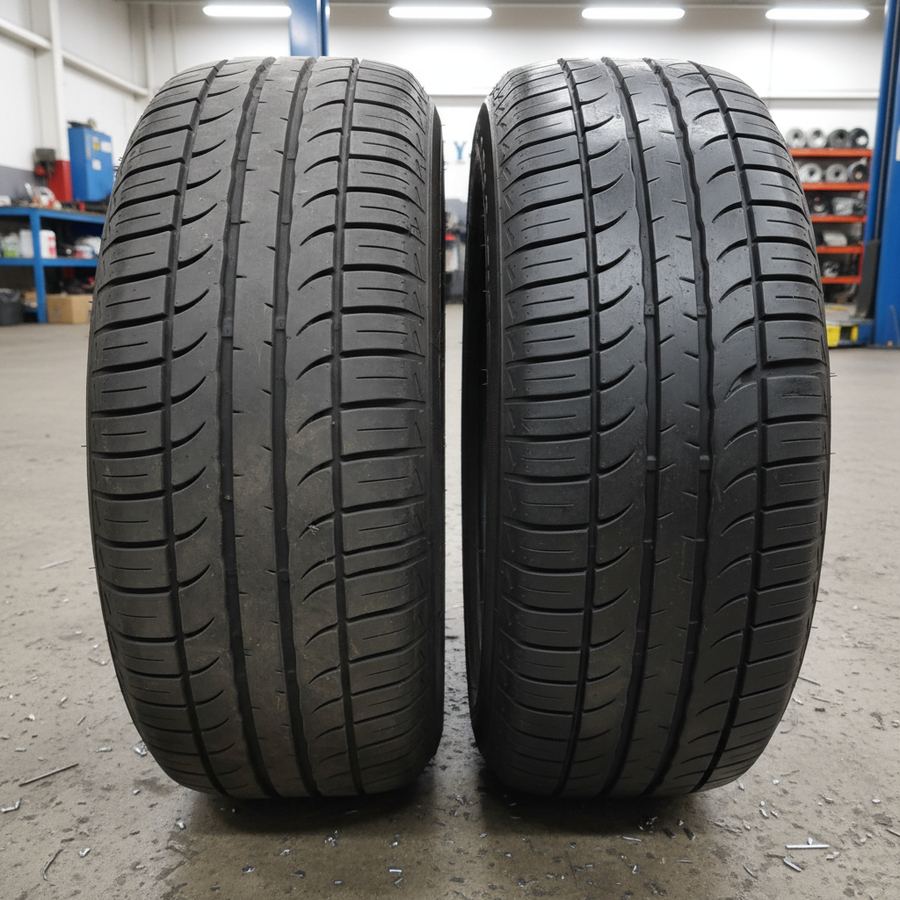
The price gap between cheap tires and good tires can be significant. A set of four budget tires might run $300 while a midrange set costs $500 and a premium set hits $700 or more. When money is tight, the $300 option looks appealing. Sometimes it's the right call. Often it isn't. The difference between cheap tires and good tires shows up in ways that aren't obvious until you've been driving on them for a while.
Tread Life: Where the Real Math Lives
Cheap tires wear faster. This isn't a generalization or a scare tactic. It's measurable. Budget tires typically carry treadwear ratings in the 200 to 300 range. Midrange tires sit around 400 to 600. Premium touring tires can hit 700 or higher.
A tire rated 200 that costs $75 might last 30,000 km. A tire rated 500 that costs $120 might last 75,000 km. The cheap tire costs $0.0025 per kilometre. The midrange tire costs $0.0016 per kilometre. Over 100,000 km of driving, the "expensive" tire saves you roughly one full extra set of tires worth of money. That's $300 or more in savings by spending more upfront.
This is the most common way cheap tires cost more. People buy them because the sticker price is low, replace them sooner because they wear out, pay installation costs again, and end up spending more total over the same period. The treadwear rating exists specifically so you can do this math before buying. Use it.
Wet Grip: The Safety Gap
Every tire grips the road in dry conditions. The differences show up in the rain. Cheap tires consistently perform worse in wet braking tests. The rubber compounds are less sophisticated, the tread patterns don't channel water as effectively, and the result is longer stopping distances when the road is wet.
In independent testing, the gap between budget and midrange tires in wet braking from 80 km/h can be 5 to 10 metres. That's one to two car lengths. At highway speed, the gap is larger. In an emergency stop, those extra metres are the difference between stopping in time and not.
The UTQG traction grade gives you a rough indicator. AA is best, A is good, B is marginal, and C is poor. Most cheap tires land at B. Most midrange tires are A or AA. If you drive in rain, which in Ontario means you drive in rain, a traction grade of A or better should be your minimum. Getting caught in the wrong situation on a B-rated tire is not a theoretical risk. It's a physics problem with real consequences.
Road Noise: Living With Your Decision
Cheap tires are louder. The tread compounds and patterns used in budget tires tend to produce more road noise, especially at highway speeds. If you commute on the highway, this is something you'll notice every single day for the life of the tire.
Road noise might sound like a luxury complaint, but it adds up. A tire that drones at 100 km/h for a 45-minute commute is fatiguing. It makes phone calls on hands-free harder to hear. It raises the baseline stress level of your drive. Midrange tires from reputable manufacturers are almost always quieter because they invest in tread pattern design and compound formulation that budget brands skip.
If your commute is short and mostly urban at low speeds, this matters less. If you spend real time on the highway, it matters a lot.
Quality Consistency
This is the one that's hardest to quantify but matters in practice. Premium and midrange tire manufacturers have tighter quality control. Every tire that rolls off the line is closer to spec. Budget manufacturers have wider tolerances, which means you might get four tires where one is slightly out of round, slightly heavier on one side, or has a marginally different rubber compound than the others.
The result is vibrations that can't be balanced out, uneven wear patterns between tires from the same set, and tires that just don't feel as planted or predictable. A shop can balance any tire to specification, but if the tire itself has a manufacturing inconsistency, balancing only masks the symptom. Over thousands of kilometres, those small inconsistencies add up to a less pleasant and less predictable driving experience.
When Cheap Tires Are Fine
Cheap tires aren't always the wrong answer. There are real situations where budget rubber makes sense.
Beater car you're selling soon: If the vehicle has six months of life left and needs tires to pass a safety inspection, spending $600 on premium rubber doesn't make financial sense. Get the cheapest tire in the correct size with an acceptable load and speed rating, and move on.
Very low mileage: If you drive 5,000 km a year, tread life barely matters because the tires will age out from rubber degradation before they wear out. In that case, the treadwear advantage of a midrange tire is wasted. Buy budget, check the manufacture date, and replace based on age.
Second vehicle driven occasionally: A cottage car, a winter beater, or a pickup truck that only comes out on weekends doesn't need the same tire as a daily commuter. Budget tires with the right specs are perfectly adequate for low-demand, low-mileage use.
When Cheap Tires Are a Bad Idea
Family vehicle: If your partner and kids are in the car regularly, wet grip and reliability matter more than saving $50 per tire. A blowout or a loss of traction with a loaded vehicle is a higher-stakes event. Spend the money on tires rated A or better for traction.
Highway commuting: High-speed, high-mileage driving is the worst case for cheap tires. They wear fast, they're loud, and the wet grip deficit is most dangerous at highway speed. Midrange tires pay for themselves in tread life alone, and the safety margin in rain is a bonus.
Winter driving: Cheap winter tires exist, and some of them are genuinely poor. Winter grip is about rubber compound and siping design, and the cheapest winter tires cut corners on both. If you're buying winter tires for Ontario conditions, this is the wrong place to minimize spending. A decent midrange winter tire from a manufacturer like General, Hankook, or Nordman provides real winter performance without the premium price tag. For more on how to evaluate winter options, see our winter vs all-weather tire comparison.
All-wheel drive vehicles: AWD systems are sensitive to tire matching and consistency. Running budget tires with wider manufacturing tolerances increases the risk of uneven rolling diameters, which can stress AWD components. On an AWD vehicle, tire matching is a mechanical necessity, and quality consistency matters more.
How to Buy Smart Without Overpaying
The sweet spot for most drivers is the midrange. Not the cheapest tire in your size, and not the flagship model from a premium brand. The midrange offerings from established manufacturers represent the best cost-per-kilometre value with adequate safety margins.
Before buying the cheapest option, compare tire options by treadwear rating and reviews, not just sticker price. Sort by your tire size, then compare the UTQG treadwear and traction ratings. Read user reviews that mention tread life at 30,000 or 50,000 km rather than just the initial impression. A tire that feels great at 1,000 km but wears to nothing at 25,000 km is not a good tire.
Factor in the full installed cost: tire price, shipping if buying online, mounting, balancing, valve stems, and disposal fees. Sometimes the "cheap" online tire is more expensive once installation is added. A local shop selling a slightly pricier tire with installation included might be the better deal. For more on avoiding the common traps, our guide to budget tire buying mistakes covers the specific errors that turn a money-saving purchase into a money-wasting one.
Tires are the foundation of every safety system on your vehicle. That doesn't mean you need to spend a fortune, but it means spending intelligently. Know the specs, do the per-kilometre math, and put the money where it matters most for your specific driving. That's the difference between cheap and smart.