Tire Age, Condition, and Safety: What the Rubber Is Really Telling You
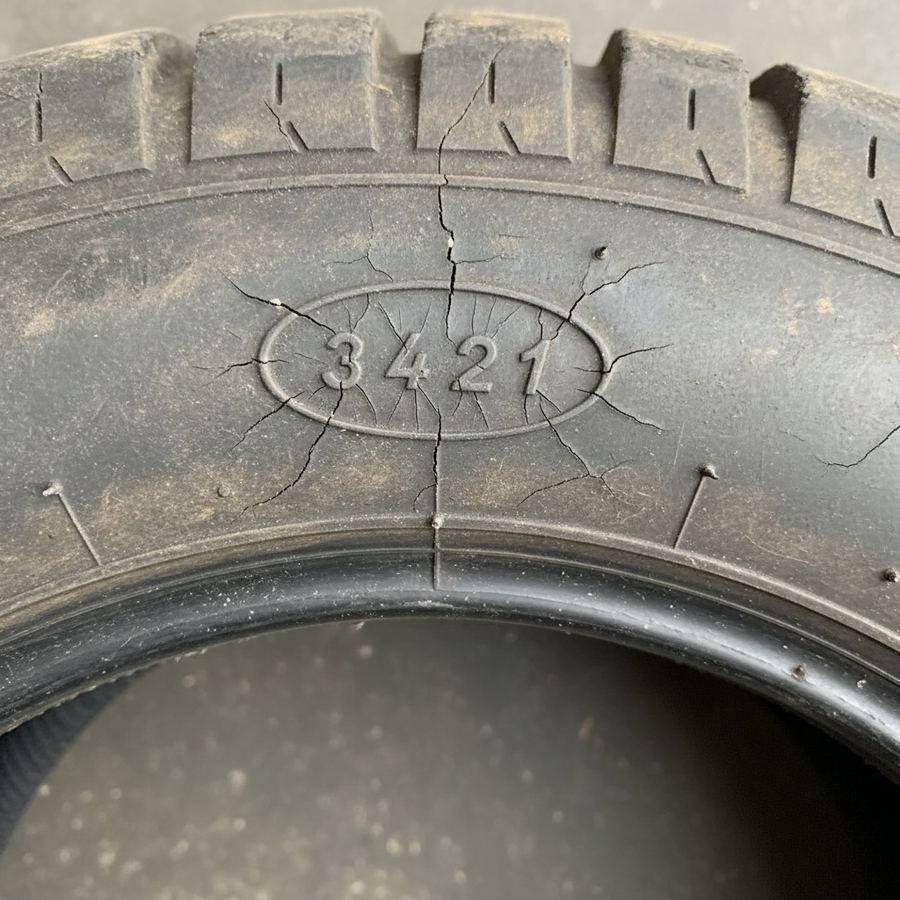
Most people judge a tire by one thing: tread depth. If the tread looks fine, the tire must be fine. That logic kills people every year. Tires degrade from age, heat, and UV exposure whether they've been driven on or not. A tire with full tread can still be dangerously compromised if it's old enough or stored poorly. Knowing what to look for beyond tread depth is one of the most practical safety checks you can do.
How to Read a DOT Date Code
Every tire sold in North America has a Department of Transportation (DOT) code molded into the sidewall. The full code includes information about the manufacturing plant and tire specifications, but the part you need is the last four digits.
Those four digits tell you the week and year the tire was manufactured. The first two digits are the week (01 through 52), and the last two are the year. A code ending in 1522 means the tire was made in the 15th week of 2022, which would be mid-April 2022. A code ending in 0819 means the 8th week of 2019, or late February.
The DOT code is usually on only one side of the tire. If you don't see it on the outward-facing sidewall, the full code is on the inner sidewall, which means you'll need to look from underneath the car or feel along the inner surface. Some tires show a partial code (starting with DOT but only showing 8 or 10 characters) on the outer side. The full code with the date is on the opposite side.
If a tire only has three digits at the end of the DOT code, that tire was manufactured before the year 2000. It should not be on any vehicle driven on public roads.
When Is a Tire Too Old?
There's no single regulation in North America mandating tire replacement based on age. But the consensus among tire manufacturers, vehicle manufacturers, and safety organizations is fairly consistent.
Most tire manufacturers recommend replacement at six years from the date of manufacture, regardless of appearance or tread depth. Some extend this to ten years as an absolute maximum, but call for annual inspections after year five. Vehicle manufacturers including Ford, BMW, and Mercedes-Benz specify six years as the replacement threshold in their owner's manuals.
Rubber breaks down over time through oxidation. Heat and UV light accelerate the process. Even oxygen in the air slowly degrades the chemical bonds that provide flexibility and grip. After five or six years, the compounds that provide wet traction start losing effectiveness. The tire might hold air and have tread, but its ability to grip in an emergency is diminished in ways you can't see.
Dry Rot and Sidewall Cracking
The most visible sign of age-related degradation is cracking. Small cracks appear in the sidewall, between the tread blocks, or around the bead area where the tire meets the rim. This is commonly called dry rot, though the technical term is ozone cracking or weather checking.
Minor surface cracking is common on tires older than three or four years, especially in warm climates. Light cracking by itself doesn't demand immediate replacement, but it signals the aging process is underway.
Deep cracking is different. If you can see into the rubber rather than just surface lines, the tire has lost significant structural integrity and can fail suddenly at highway speeds. If cracks spread when you press on the sidewall, that tire needs to come off. Cracking between tread blocks is equally concerning, as it creates pathways for moisture to reach the internal belts, leading to belt separation.
Bulges and Deformities
A bulge in the sidewall means the internal cords that give the tire its structure have been broken, usually from a pothole or curb impact. Air pressure pushes the weakened spot outward into a visible bubble. There is no safe way to drive on a tire with a sidewall bulge, and no repair is possible. Replace it immediately.
Bulges on the tread surface indicate belt separation starting from the inside. If you notice a new vibration that gets worse with speed, have your tires inspected for internal damage.
When Cheap-Looking Tires Are Actually Dangerous
There's a category of tire that looks like a deal: older inventory sold at steep discounts, used tires from unknown sources, and leftover stock from brands that have left a market. They have tread. They hold air. They mount without issues. But the problems are invisible.
A tire manufactured four or five years ago that sat in an unheated warehouse through several freeze-thaw cycles has already degraded internally. The rubber has hardened. Wet grip has diminished. You're starting the clock with half the tire's safe life already spent.
This is especially risky with deeply discounted online listings. The price is low because the inventory is old. A tire with a 2021 manufacture date sold in 2026 at half price isn't a bargain. It's a tire that should be replaced in a year or two regardless of appearance.
If you're considering used tires or heavily discounted new ones, the manufacture date should be the first thing you check, not the last.
How to Inspect Your Own Tires
You don't need special tools. Check these areas once a month or whenever you check tire pressure.
Sidewalls: Look for cracks, cuts, bulges, or deformation. Run your hand along the sidewall to feel for bumps. Check both inner and outer sidewalls.
Tread surface: Look for uneven wear. One-edge wear suggests alignment problems. Center wear means overinflation. Both-edge wear means underinflation. For context on what regular maintenance should include, alignment and pressure checks belong on that list.
Between tread blocks: Age-related cracking often shows up first in the grooves between tread blocks because the rubber is thinner there.
Tread depth: Use a gauge from any auto parts store. Legal minimum is 2/32", but most safety experts recommend replacement at 4/32". For winter driving, 5/32" or more is the practical minimum.
DOT date code: Write down the manufacture date for each tire. Once any tire approaches five years, inspect more carefully and plan for replacement.
Don't forget the spare. Spare tires sit in the trunk for years, subject to the same aging process. Check yours once a year for cracking and air pressure. A ten-year-old spare with dry rot won't help you when you need it.
What This Means for Budget-Conscious Drivers
If you're trying to keep vehicle costs low, tire age awareness saves money. Buying tires with a recent manufacture date means you get the full useful life. Regular inspections catch problems before they become emergencies. Tires are the only part of your car touching the road. When grip is compromised by age or damage, nothing else can compensate.
For more on making smart tire purchases without overspending, see our article on common budget tire buying mistakes. And for federal recall and safety information on specific tire models, the NHTSA tire safety page maintains a searchable database of active recalls and complaints.