Used Tires: When They Make Sense and When They Don't
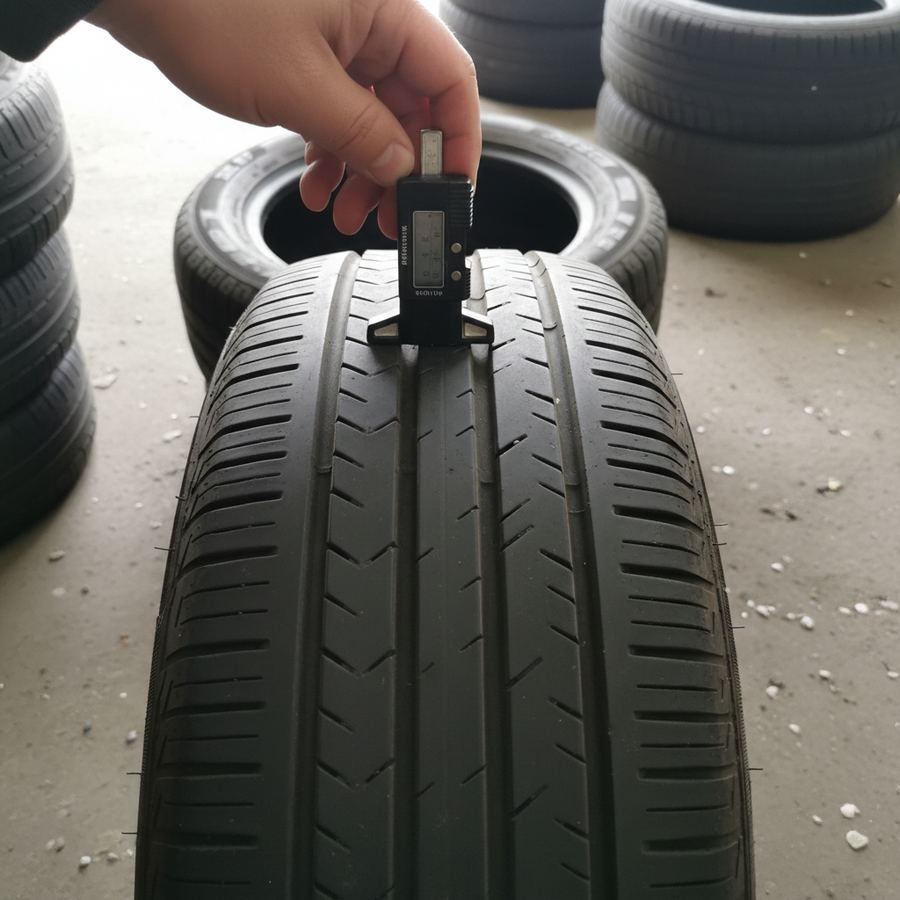
Used tires have a bad reputation, and some of it is earned. There are shady sellers running worn-out rubber and calling it "good tread." There are safety risks that don't exist with new tires. But dismissing used tires entirely ignores the reality that plenty of people are working with tight budgets and need to keep a car on the road safely without spending $600 on a set of new rubber.
Used tires can be a legitimate option in the right circumstances. The key is knowing exactly what to look for and when to walk away.
When Used Tires Make Sense
The strongest case for used tires is when you need to get a vehicle through a short remaining period of use. You're selling the car in three months. You're driving a beater through one more winter before scrapping it. You have a teenager's first car that might not survive the year. In these situations, spending top dollar on new tires doesn't make financial sense, as long as the used tires are safe.
Used tires also make sense when you need a specific size that's hard to find new at a reasonable price. Older vehicles, European imports, and trucks with uncommon wheel sizes sometimes have limited new tire options, and the few available choices might be overpriced because of low demand. The used market often has these sizes available from vehicles that were totalled or had wheels upgraded.
Another reasonable scenario is when you need a single replacement tire to match an existing set that's been discontinued. Finding a used tire of the same brand, model, and approximate wear level can be the best way to maintain a matched set rather than replacing two or four tires.
When Used Tires Are a Bad Idea
If you're planning to keep the vehicle long-term, used tires are usually false economy. You're buying someone else's wear. Even a "good" used tire with 60% tread remaining has already consumed 40% of its life. You'll need to replace it sooner, which means another purchase, another installation fee, and another round of shopping. New budget tires from a reputable brand will almost always cost less per kilometer driven than used tires.
Used tires are also a bad idea for any vehicle you rely on for safety-critical driving: long highway commutes, family vehicles carrying children, or winter driving in serious conditions. The unknowns with used tires (internal damage, repair history, storage conditions) introduce risks that aren't worth taking when the stakes include highway blowouts or loss of traction on ice.
And used tires should be avoided entirely on AWD vehicles unless you can find a matching set of four with identical tread depth. The drivetrain sensitivity issues with mismatched tires on AWD systems apply double to used tires because you're starting with uneven wear from the beginning.
What to Check Before Buying Used Tires
Tread Depth
Bring a tread depth gauge. They cost a few dollars at any auto parts store. Measure in multiple spots: the center, both edges, and at several points around the circumference. New tires start with 10/32" to 11/32" of tread. The legal minimum is 2/32". For a used tire to be worth buying, you want at least 5/32", preferably 6/32" or more.
Check that depth is even across the tire. If the center reads 7/32" but one edge is at 4/32", that tire was driven underinflated or with bad alignment. The uneven wear will continue.
Manufacture Date
Check the DOT code on the sidewall. The last four digits tell you the week and year of manufacture. A used tire made five or more years ago has limited safe life left regardless of tread depth. Don't take the seller's word for it. Check the code yourself. Our tire age and condition guide explains how to read these codes and when age becomes a safety issue.
Repairs and Patches
Look at the interior of the tire if possible. A properly done puncture repair uses a combination plug-and-patch applied from the inside. This is an acceptable repair for a puncture in the tread area. A tire with a single proper repair in the center of the tread can still be a good used tire.
What's not acceptable: multiple repairs, repairs near the sidewall or shoulder area, plug-only repairs (no interior patch), or any evidence of a sidewall repair. Sidewall punctures cannot be safely repaired. Period. If someone has plugged or patched a sidewall, that tire is garbage regardless of how it looks from the outside.
Bead, Sidewalls, and Interior
The bead is the inner edge that seals against the rim. Run your fingers along both sides. It should be smooth and uniform. Gouges, tears, or missing chunks mean the tire may not seal properly or could unseat from the rim at speed. Reject it.
Check both sidewalls for cracking, bulges, and cuts. Surface scuffing from curbs is cosmetic. Anything deeper is a concern. Bulges mean the internal structure is compromised. A tire can have great tread and destroyed sidewalls, so always check both.
If the tire is unmounted, look inside for heat damage, scuffing, or delamination from having been driven flat. A tire that's been run flat even briefly may have invisible structural damage that makes it unsafe at highway speeds.
Where to Buy Used Tires
Dedicated used tire shops that inspect and grade their inventory are the safest option. They pull tires from totalled vehicles, lease returns, and trade-ins, and the better ones will show you the DOT code and tread measurements before you buy. Online marketplaces are riskier since you can't inspect until delivery. If buying online, demand photos of the DOT code, tread depth, and both sidewalls. Avoid any seller who gets vague about manufacture dates.
The Price Comparison You Should Do
Before buying used, know what new tires cost. Used tires typically run $30 to $60 each. Add $20 to $30 per tire for mount and balance. A set of four used tires installed runs $200 to $360. New budget tires in common sizes start around $60 to $90 each, or $320 to $480 installed for four. The difference is often just $100 to $150 for a set, but new tires come with a warranty, known history, and full tread life.
For new tire pricing comparison, check current inventory at Tires.org. Seeing real numbers makes it easier to decide whether the used tire savings are actually significant enough to justify the tradeoffs.
Factor in how long you expect to need the tires. If used tires save you $120 but only last eight months, and new budget tires would last two years, the math isn't close. Cost per month of use is a better comparison than sticker price.
The Bottom Line
Used tires fill a real need for drivers on tight budgets or with short-term vehicle plans. But they require due diligence. Physically inspect them, verify the age, check for damage and repairs, and do honest math on whether the savings are real.
If used tires pass inspection and the price makes sense for the life you'll get, go for it. If anything looks questionable or the cost difference versus new is marginal, buy new budget tires instead. The reduced risk of buying mistakes is worth the extra $25 per tire. For broader guidance on managing vehicle expenses, the NHTSA tire safety page is a reliable independent reference.