Best Tires for Ontario Commuters by Driving Pattern
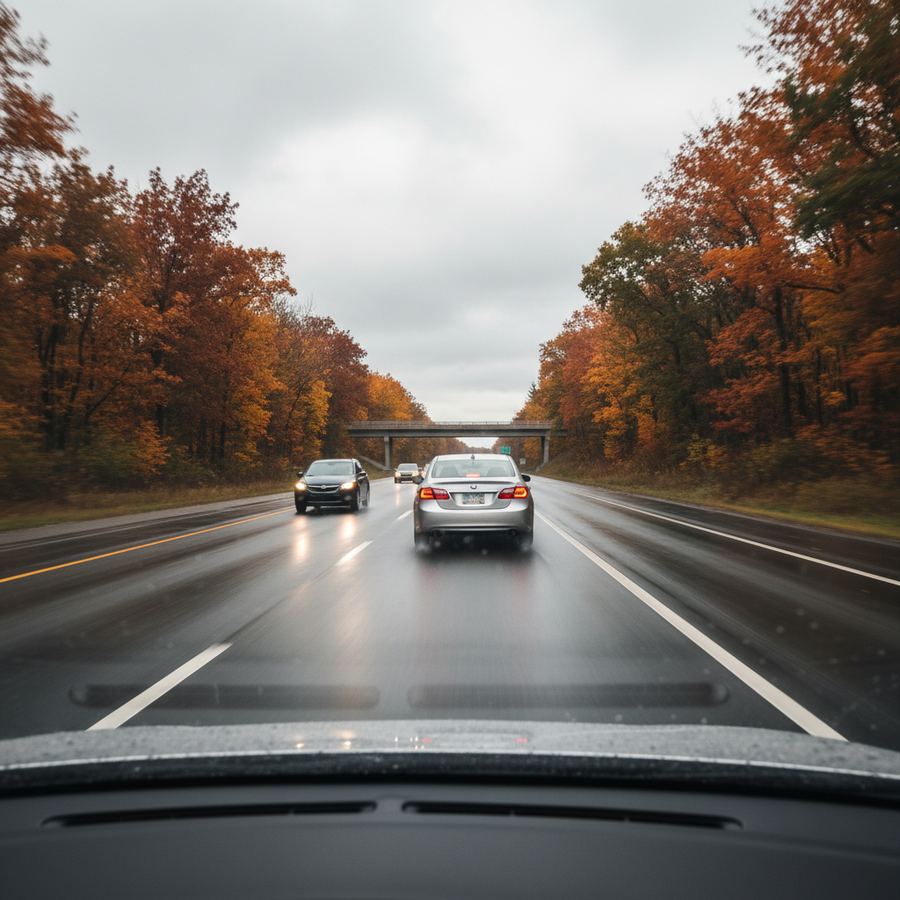
There is no single "best tire" for Ontario. There's the best tire for how you actually drive, on the roads you actually use, in the weather you actually deal with. Someone commuting 80 km on the 401 every day has completely different tire needs than someone who drives 15 km through city streets or someone navigating gravel county roads. Here's how to think about tire selection based on your real driving pattern rather than marketing categories.
Highway Commuters
If you're doing 30,000 to 50,000 km a year, mostly on 400-series highways and major provincial routes, your priorities are tread life, wet grip, and road noise. In that order.
Tread life matters because highway kilometres eat tires fast. Sustained high-speed driving generates heat, and heat wears rubber. A tire with a treadwear rating of 500 or higher makes financial sense for high-mileage drivers. The cost per kilometre drops significantly compared to a shorter-lived tire. Do the math before buying: divide the tire price by the warranty mileage (or estimated treadwear life) to get a real cost-per-kilometre number.
Wet grip is critical because highway driving in rain at 100 km/h is one of the highest-risk situations you'll face on tires. At speed, water needs to be channeled away from the contact patch quickly or the tire hydroplanes. Look for a UTQG traction grade of A or AA. Read independent test reviews that specifically measure wet braking distances. This is not the place to cut corners.
Road noise becomes a quality-of-life issue on long commutes. An aggressive tread pattern might grip well in snow but drone at highway speed for 45 minutes each way. Touring and grand-touring category tires typically prioritize a quiet ride and stable highway handling. If you spend two hours a day on the highway, you will notice the difference between a quiet tire and a loud one.
For highway commuters in Ontario, a solid touring all-season for three seasons plus a dedicated set of winter tires is the most practical setup. The all-season handles the warm-weather highway kilometres efficiently, and the winter set keeps you safe from November through March.
City-Only Drivers
If most of your driving is urban, you're dealing with frequent stops, potholes, construction zones, and speeds that rarely exceed 70 km/h. Your priorities shift toward ride comfort, pothole resistance, and wet traction.
Ride comfort matters more in the city because you feel every bump, every streetcar track, every frost heave. A tire with a taller sidewall (higher aspect ratio) absorbs impacts better than a low-profile tire. If your vehicle allows it, sticking with the OEM sidewall height rather than upsizing to a larger wheel with a thinner tire makes city driving noticeably more comfortable.
Pothole resistance is a real concern in Ontario cities. A low-profile tire with a stiff sidewall is more vulnerable to sidewall damage and pinch flats from potholes. A standard-profile tire has more rubber between the road and the wheel, which provides a cushion against impacts. This doesn't make you immune to pothole damage, but it reduces the odds of a destroyed tire and a bent rim from one bad hit.
Tread life is less critical for city drivers because annual mileage is typically lower. A tire rated at 60,000 km might last you four or five years in city driving. At that point, age becomes the limiting factor rather than tread wear. Buying a tire with a 100,000 km warranty might sound good, but if you only drive 15,000 km a year, the rubber will age out before the tread wears out.
City drivers can often get by with a good set of all-weather tires carrying the snowflake symbol, avoiding the seasonal changeover entirely. The speed demands are lower, the roads are plowed sooner, and the convenience of a year-round tire has more value when you're not doing highway kilometres in blizzard conditions.
Rural and Gravel Road Drivers
If your daily route includes unpaved roads, loose gravel, or poorly maintained rural highways, you need tires that can handle debris, maintain grip on loose surfaces, and resist punctures.
Puncture resistance is the top priority. Gravel roads throw rocks, and rural shoulders are full of debris that never gets cleaned up. Tires with reinforced sidewalls or "extra load" (XL) ratings handle this environment better. Some manufacturers offer specific models designed for mixed pavement and gravel use, typically marketed toward crossover and SUV owners.
Loose-surface grip depends on tread pattern more than compound. A tire with wider grooves and more aggressive tread blocks will shed mud and gravel better than a smooth touring tire. You don't need full off-road rubber for a gravel commute, but something with an open tread pattern helps.
Road noise is the trade-off. Tires that grip well on gravel tend to be louder on pavement. If your commute is 20 km of gravel and 10 km of highway, you'll want something that balances both. If it's mostly gravel, prioritize grip and durability and accept the noise.
Rural Ontario drivers should also take winter tires seriously. Gravel roads don't get salted the way highways do, and they can turn into ice sheets overnight. A set of aggressive winter tires makes a dramatic difference on packed snow and ice-covered gravel. Pair aggressive winter tires with a proper seasonal prep routine and you'll handle whatever Ontario's back roads throw at you.
Mixed Driving
Most Ontario drivers don't fit neatly into one category. You might drive city streets to the highway, do 40 km at highway speed, then exit onto secondary roads. Your tire needs to work across all of those conditions without being terrible at any of them.
This is where the mainstream all-season touring tire earns its keep. It won't be the grippiest in snow, the quietest at highway speed, or the toughest on gravel. But a good one will be competent in all those situations. Look for:
- Treadwear rating of 400 to 600 for a good balance of longevity and grip
- Traction grade A or AA
- Noise ratings in independent reviews that describe the tire as "acceptable" or better at highway speed
- Reasonable price point in the midrange, avoiding both the cheapest options and the premium flagship models
For the mixed-driving Ontario commuter, the biggest performance improvement isn't in the three-season tire. It's in having a proper set of winter tires for November through March. The all-season handles everything from April to October just fine. The winter set is what keeps you out of the ditch in February.
What to Skip
Unless you have a specific performance need, skip the ultra-high performance (UHP) summer tires. They grip spectacularly in warm, dry conditions and are completely inappropriate for Ontario's climate range. They wear fast, they're expensive, and they're useless the moment the temperature drops.
Also skip buying based purely on brand. A midrange tire from a second-tier manufacturer often matches or beats a budget tire from a premium brand. Compare by specs, UTQG ratings, and independent test results, not by the name on the sidewall. Our guide to what matters when buying new tires covers how to read those specs and focus on what counts.
Putting It Together
Identify your driving pattern honestly. Count up your typical weekly kilometres and where those kilometres happen. Highway? City? Gravel? A mix? Then match the tire to the driving, not to the marketing.
Buy the right size and meet the load and speed ratings your vehicle requires. After that, prioritize based on your pattern: tread life for highway, comfort for city, durability for rural, balance for mixed. And regardless of pattern, budget for winter rubber if you drive in Ontario between November and March. That single decision does more for your safety than any other tire choice you can make.
When it comes time to buy, comparing cheap tires versus good tires by the numbers rather than by gut feeling will save you money in the long run. The best tire for your commute is the one that matches your actual driving, lasts a reasonable amount of time, and keeps you safe in the conditions you actually face.