OEM Used Parts vs Aftermarket: When Each One Makes Sense
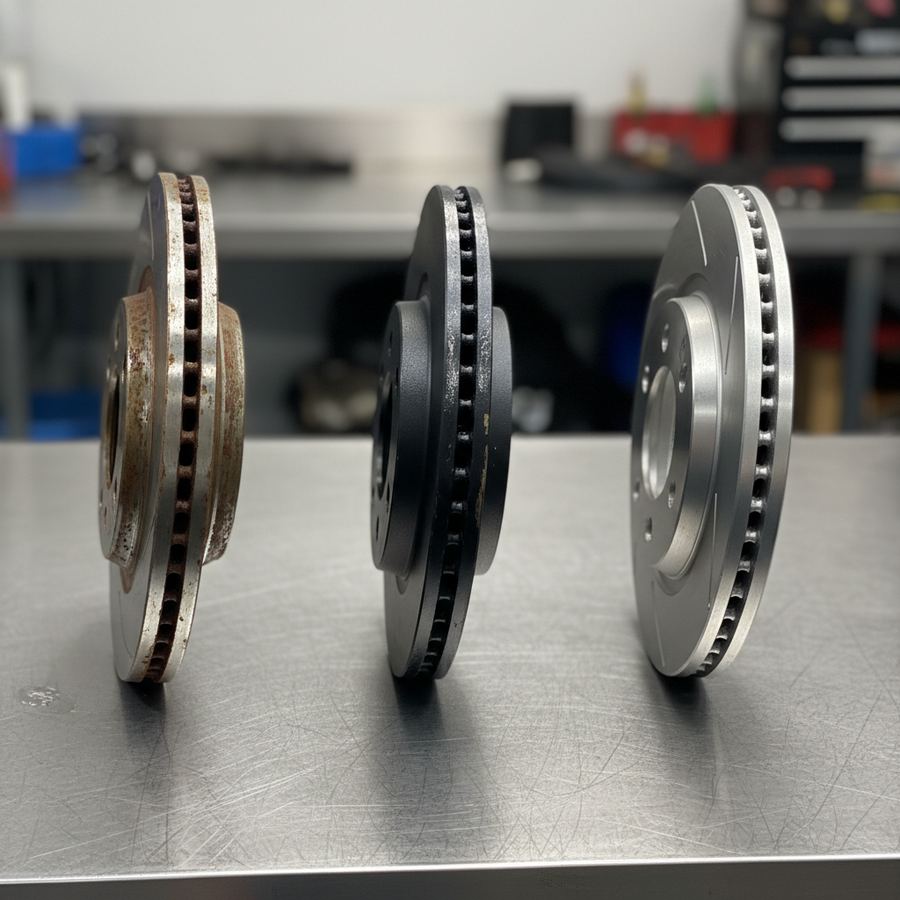
Every time a part fails on your car, you face a choice. Do you buy the original manufacturer's part, grab a cheaper aftermarket version, or track down a used OEM piece from a salvage yard? Each path has real trade-offs, and the right answer depends on the part, the car, and what you're trying to accomplish.
This isn't a simple "one is always better" situation. I've installed thousands of each type over the years, and I've seen aftermarket parts outlast originals and used OEM parts fail within weeks. Context matters more than brand loyalty.
What OEM Actually Means
OEM stands for Original Equipment Manufacturer. These are the parts that came on your vehicle from the factory, or exact replacements made by the same supplier. When you buy OEM new from a dealer, you're paying for guaranteed fitment and a known quality level. The downside is cost. A dealer-sourced OEM headlight assembly might run $400 to $800, while the aftermarket version sits at $120.
Used OEM parts come from salvage yards, recyclers, and parts brokers. They're the same factory-spec components, pulled from vehicles that were totalled, retired, or parted out. You get that original fitment and material quality at a fraction of dealer pricing. A used OEM headlight from a recycler might cost $80 to $200, depending on condition and demand.
Where Aftermarket Parts Actually Work Fine
Aftermarket doesn't automatically mean low quality. Some aftermarket manufacturers produce parts that meet or exceed OEM specifications. Brake pads are a good example. Companies like Wagner, Akebono, and Bosch make pads that are perfectly good replacements for factory parts, often with better compound options for specific driving styles.
Filters, spark plugs, belts, and most maintenance items are perfectly fine bought aftermarket. The specifications are standardized, the materials are consistent, and the price difference is significant. Nobody needs a dealer oil filter when a quality aftermarket one does the same job.
Suspension components from reputable aftermarket brands also tend to hold up well. Moog tie rod ends and ball joints have a solid track record. Same with KYB and Bilstein shocks. These companies specialize in these parts, and their engineering shows.
Where Aftermarket Falls Short
Body panels are where aftermarket quality drops off fast. Aftermarket fenders, bumper covers, and hoods are notorious for poor fitment. The mounting holes don't line up perfectly, the contours are slightly off, and the metal or plastic is often thinner than the original. Any body shop tech will tell you that fitting an aftermarket fender takes twice the labor of bolting on a used OEM piece that was made for the car.
Electrical components are another weak spot. Aftermarket window regulators, power mirror assemblies, and electronic modules have higher failure rates in my experience. The connectors don't always seat properly, the motors are lower quality, and the internal wiring can be marginal. A used OEM window regulator from a recycler with 60,000 miles on it will usually outlast a cheap aftermarket one.
Headlights and tail lights from aftermarket sources often have condensation problems and poor seal quality. The lens clarity degrades faster, and the reflector coatings aren't as durable. For safety-critical lighting, OEM is the better bet, whether new or used.
The Cost Math
Here's where it gets interesting. A new OEM part is almost always the most expensive option. An aftermarket part is usually the cheapest upfront. But a used OEM part often lands in between on price while matching the quality and fitment of new OEM.
The real cost equation includes labor. If an aftermarket fender needs an extra two hours of fitting and adjustment, that $150 you saved on the part just got eaten by $200 in additional labor. The used OEM fender that bolts right on saves the shop time and saves you money overall.
I've seen this play out hundreds of times with repairs that look cheap on paper but end up costing more once you factor in shop time and comebacks. The part price on the estimate is only part of the picture.
When Used OEM Is the Smart Call
Used OEM parts make the most sense for:
- Body panels and exterior trim. Fitment is guaranteed because they were literally made for your car. If the color matches, you skip the paint cost too.
- Mirrors, door handles, and interior pieces. These are either right or wrong. A used OEM mirror assembly is the exact replacement, and they're widely available.
- Alternators, starters, and AC compressors. These units are commonly recycled, usually tested before sale, and carry a warranty from the salvage yard. Check which parts are safe to buy used for a full rundown.
- Glass. OEM windshields and side glass have the right tint, thickness, and fit. Aftermarket glass varies widely in quality.
- Electronic modules. Engine computers, body control modules, and instrument clusters from the same model year are proven to work. Aftermarket replacements for these are rare and often unreliable.
Shops like Auto Solve source quality used OEM parts when it makes financial sense. A good shop knows which recyclers are reliable, checks part condition before ordering, and won't put anything on your car that they wouldn't trust on their own.
When to Buy New (OEM or Aftermarket)
Some parts should always go on fresh. Brake components, timing belts, gaskets, and filters don't make sense to buy used because their whole purpose depends on being in new condition. Wear items are wear items. You need the full service life, not whatever percentage is left.
Sensors can go either way, but I lean toward new for anything emissions-related. An oxygen sensor with unknown mileage might trigger a check engine light within months. The cost difference between new and used on sensors is usually small enough that new makes more sense.
How to Tell if a Shop Is Sourcing Parts Honestly
A trustworthy shop will tell you what kind of part they're putting on your car and give you options. They should be willing to explain why they're recommending OEM, aftermarket, or used for a particular repair. If a shop just says "we'll order the part" with no further detail, ask questions.
Good shops list parts clearly on the estimate: new OEM, new aftermarket, or used OEM. They note the supplier. They communicate if a part comes in and the condition isn't up to standard. This kind of transparency is what separates shops that handle used parts properly from ones that cut corners.
The Bottom Line
There's no single right answer for every part and every situation. OEM used gives you factory quality at reduced cost, and it's the strongest choice for body work, electrical, and major accessories. Aftermarket is perfectly fine for maintenance items, brakes from known brands, and suspension parts from reputable manufacturers. New OEM from the dealer makes sense when you need a warranty on a critical component and price isn't the primary concern.
The worst thing you can do is make the decision based on price alone. A $40 aftermarket part that fails in six months and needs two hours of labor to replace again isn't a deal. Factor in fitment, reliability, and total installed cost. That's how you make the smart parts decision every time.