How Ethical Shops Handle Used Parts
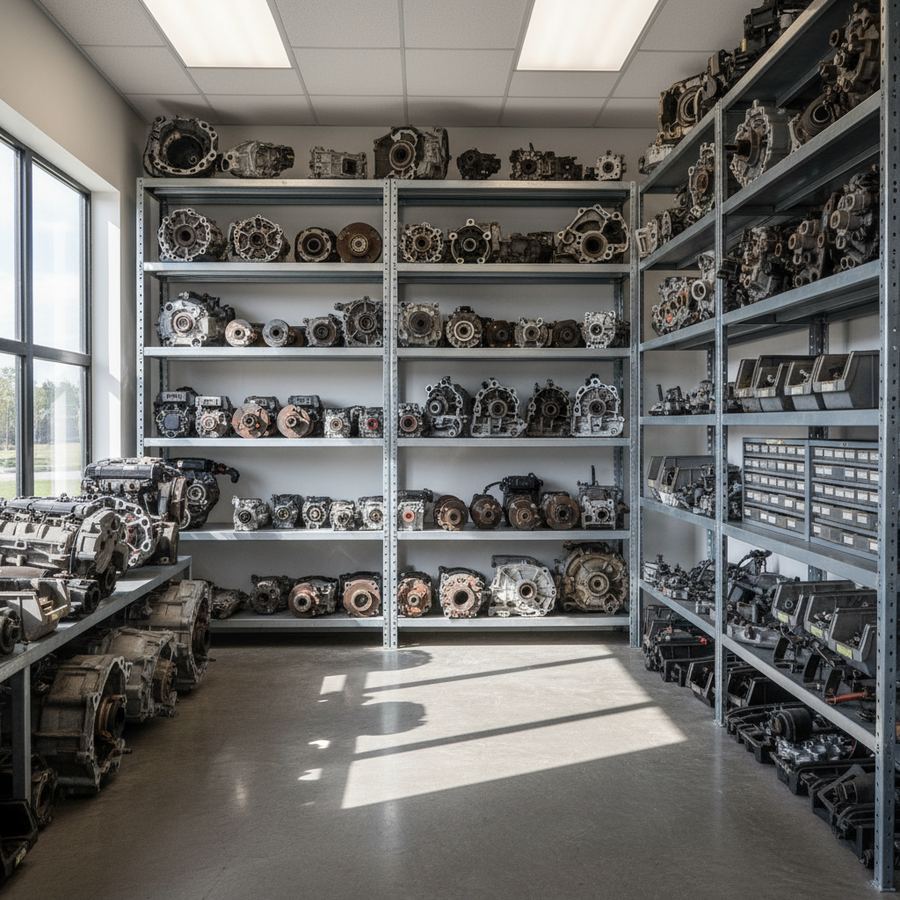
Asking a shop to use recycled parts on your car isn't unusual, and it shouldn't feel like a weird request. Good shops do it regularly. But there's a right way and a wrong way to handle used parts in a professional repair setting, and the difference matters to your wallet and your safety.
I've worked in shops that sourced used parts thoughtfully and shops that just grabbed whatever was cheapest. The gap in outcomes is massive. Here's what proper used parts handling looks like from the inside, and what you should expect as a customer.
Where Good Shops Source Used Parts
Professional shops don't buy used parts from random sellers on marketplace listings. They work with established automotive recyclers who maintain inventoried yards, test components before sale, and provide warranty coverage.
Most shops use networked parts databases that connect to hundreds of recyclers across the country. They search by year, make, model, and specific part number, and filter by mileage, color, and condition grade. The best recyclers grade parts on a standardized scale. An "A" grade part comes from a low-mileage vehicle with minimal wear. A "B" grade has normal wear consistent with its mileage. Anything below that gets rebuilt or recycled for materials.
Delivery networks are fast now, too. Major recycler networks offer next-day or same-day shipping for commonly needed parts. Your repair doesn't have to take an extra week because the shop chose a used component.
Inspection Before Installation
This is where the good shops separate themselves. Any used part that arrives at a reputable shop gets inspected before it goes on your car. The tech doesn't just pull it out of the box and bolt it on.
For electrical components like alternators and starters, that means bench testing. Hook it up, verify output, confirm it meets specifications. For body panels, it means checking for straightness, rust, previous repair work, and paint condition. For glass, it means inspecting for chips, cracks, pitting, and seal integrity.
If a part arrives and doesn't meet the shop's standards, it goes back. A good shop won't install a questionable component just because it's already been delivered. I've rejected parts that looked fine in photos but showed problems in person: a power steering pump with a slight whine during testing, a fender with hidden body filler, a transmission that smelled burnt. These get returned and replaced, not installed and hoped for the best.
Warranty Coverage
Used parts from professional recyclers come with warranties. The standard is 30 to 90 days on most mechanical and electrical components. Some recyclers offer extended warranties for an additional cost, and larger networks sometimes include 6-month or even 1-year coverage on higher-value parts like engines and transmissions.
If a used part fails within the warranty period, the recycler covers the replacement part. Labor coverage varies by shop. Some absorb it, others charge labor again but waive the parts markup. Ask about this upfront. A shop should document the part's source, warranty terms, and installation date. If they can't tell you where a used part came from, that's a red flag.
Clear Communication with You
Here's where a lot of shops fall short, even ones that are otherwise competent. Customer communication about parts sourcing needs to be explicit and upfront.
A proper estimate should clearly state whether each part is new OEM, new aftermarket, or used OEM. It shouldn't just say "alternator" with a price. It should say "used OEM alternator (recycled, Grade A, 52K miles)" or "new aftermarket alternator (Denso)." You need this information to make an informed decision.
The shop should also explain why they're recommending one type over another. For a fender replacement, they might say: "We can do this with a new aftermarket fender for $180, but the fitment will require extra work. A used OEM fender in the right color is $140 and bolts right on. We recommend the used OEM." That's honest, helpful advice that's also looking out for your best interest.
If you specifically request used parts, a good shop will tell you which items on the repair are good candidates for recycled sourcing and which ones aren't. They won't put a used timing belt on your car just because you asked for used parts across the board. They'll explain that certain parts need to go on new regardless of your budget preference.
This kind of clear communication is the same principle behind why transparent estimates matter for any repair. You should never be guessing what's being put on your car.
What to Expect on Pricing
Shops mark up parts. This is true for new parts and used parts alike. The markup covers the shop's time sourcing, ordering, receiving, and inspecting the part, plus warranty handling if something goes wrong. Standard parts markup in the industry is 30 to 50 percent, sometimes more at dealers.
On used parts, some shops apply a lower markup because the part costs them less. Others keep the same percentage. Either way, your total bill should still be lower than it would be with new parts. If a shop quotes you the same price regardless of new or used, ask questions. The best shops show the breakdown openly, which builds trust and helps you understand the OEM vs aftermarket value equation.
When a Shop Should Push Back
Not every used-part request is a good idea. A shop that says yes to everything isn't looking out for you. There are situations where a professional should recommend against recycled parts.
Safety-critical components with wear surfaces are the obvious one. But there are subtler cases too. If the used part available is from a high-mileage vehicle and the cost saving over new is only $30, it might not be worth the reduced remaining lifespan. If the only used option available ships from three states away and adds four days to the repair timeline, a new part that's in stock locally might be the better call.
A good shop balances your budget with practical reality. They should be able to look at a repair and say: "These three items make sense used. This one should be new. Here's what that does to the total." That kind of itemized honesty is what you're paying for when you choose a shop that handles things properly.
Red Flags to Watch For
Watch out for shops that:
- Won't tell you whether parts are new or used
- Can't name their recycler or parts supplier
- Don't offer any warranty on used components
- Install used parts without inspecting or testing them first
- Use used parts for items that should always be new (brake pads, gaskets, filters)
- Charge new-part prices but install used components
That last one is more common than people think. It's fraud, plain and simple. Always ask for detailed invoicing.
Asking Your Shop About Used Parts
If your shop hasn't brought up recycled parts as an option, just ask: "Are there any parts on this estimate where a used OEM component would save me money without compromising the repair?" Most shops appreciate the question because it shows you're practical and gives them room to evaluate the repair-versus-replace math with you honestly.
Used parts aren't a compromise. They're a tool. And a shop that knows how to use that tool well, from choosing the right candidates to inspecting, installing, and standing behind them, is a shop that's looking out for your interests and your wallet at the same time.